Early Life and Education: Antonin Scalia was born on March 11, 1936, in Trenton, New Jersey. Growing up in a family that valued education and civic engagement, he was instilled with a strong sense of justice and public service from an early age. Scalia pursued his undergraduate studies at Georgetown University, where he earned a Bachelor of Arts in 1957, before completing his law degree at Harvard Law School in 1960. His tenure at Harvard was marked by a commitment to intellectual rigor, which would later define his judicial philosophy.
Professional Journey: Following his graduation, Scalia began his career in law as a clerk for Justice William J. Brennan Jr. of the Supreme Court. His professional trajectory soon led him to the academic realm, where he served as a law professor at the University of Chicago and later at the George Washington University Law School. Scalia's expertise in constitutional law gained him prominence, and he was appointed to the U.S. Court of Appeals for the District of Columbia Circuit in 1982. His legal acumen and originalist approach to interpreting the Constitution earned him recognition as a formidable voice on the bench.
Supreme Court Legacy: In 1986, Antonin Scalia was nominated by President Ronald Reagan to the Supreme Court, where he served until his passing in 2016. Known for his sharp intellect and incisive opinions, Scalia distinguished himself through his commitment to originalism—the belief that the Constitution should be interpreted as it was understood at the time of its framing. His influence on American jurisprudence is profound, as he shaped debates on critical issues ranging from free speech to gun rights, often sparking both admiration and controversy.
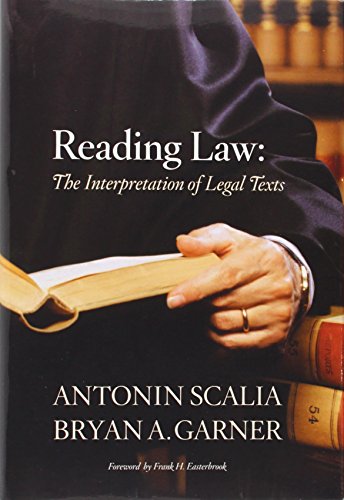
Cultural Impact and Publications: Beyond his judicial work, Scalia was an engaging writer and speaker, authoring several influential books and articles that elucidated his legal philosophy and insights on the intersection of law and society. His ability to communicate complex legal ideas in accessible language resonated with a broad audience. Scalia's legacy endures not only through his judicial opinions but also through his contributions to legal scholarship, making him a pivotal figure in contemporary American law.