Early Life and Education: Barbara W. Tuchman, born on January 30, 1912, in New York City, emerged as one of the most respected historians and authors of the 20th century. Raised in a culturally rich environment, Tuchman was deeply influenced by her family's literary and intellectual pursuits. She attended Smith College, where she honed her writing skills and developed a passion for history, graduating in 1933. This foundation would serve her well as she embarked on a prolific career that spanned several decades.
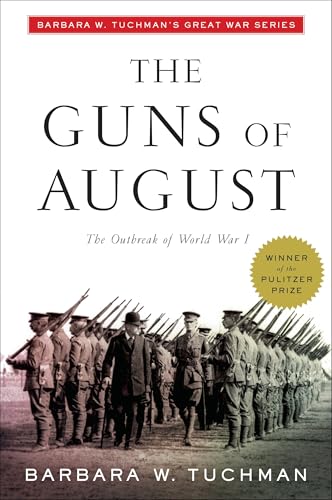
Career Highlights: Tuchman’s career took off in the early 1960s when she began to write historical narratives that appealed to both scholars and general readers. Her most notable works, including "The Guns of August," which earned her the Pulitzer Prize in 1963, and "Stilwell and the American Experience in China," showcased her ability to weave intricate historical details with compelling storytelling. Tuchman’s unique approach to history, combining rigorous research with vivid prose, made her an influential figure in the realm of historical literature.
Impact and Legacy: Barbara W. Tuchman’s writings transcended the boundaries of traditional historical scholarship. Her ability to illuminate complex events and the human experience behind them garnered her a wide readership. Tuchman was not only a historian but also a social commentator, exploring themes of war, politics, and human folly. Her works remain relevant today, studied in academic circles and enjoyed by the general public, solidifying her legacy as one of the preeminent historians of her time.
Recognition and Influence: Throughout her career, Tuchman received numerous accolades, including two Pulitzer Prizes, which underscored her impact on historical writing. Her work has inspired countless historians and authors who seek to blend narrative and analysis in their own writings. Tuchman passed away on February 6, 1989, but her contributions to the field of history continue to resonate, inviting new generations to explore the intricacies of the past through her engaging lens.