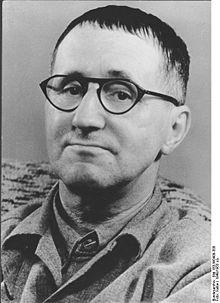
Introduction to Bertolt Brecht: Bertolt Brecht (1898-1956) was a German playwright, poet, and theater director whose innovative approach to theater revolutionized the landscape of modern drama. Born in Augsburg, Brecht's early exposure to literature and performance ignited a lifelong passion for the arts. His works often challenged societal norms and explored complex political themes, leaving an indelible mark on the theatrical world.
Innovative Theatrical Techniques: Brecht is best known for developing the concept of "epic theater," a style that aimed to provoke critical thinking among audiences rather than mere emotional engagement. This approach involved techniques such as the use of narration, direct address, and the alienation effect, which encouraged viewers to reflect on social and political issues rather than becoming immersed in the characters’ emotions. His landmark plays, including "Mother Courage and Her Children" and "The Threepenny Opera," are prime examples of this revolutionary style, blending music, dialogue, and social critique.
Political Engagement and Exile: Throughout his life, Brecht was deeply engaged with the political movements of his time. His opposition to fascism and support for Marxist ideology often placed him in conflict with the authorities. Following the rise of the Nazi regime, Brecht fled Germany in 1933, spending years in exile in various countries, including the United States. This period significantly influenced his work, as he grappled with themes of oppression, war, and human rights, culminating in profound pieces that resonated with audiences worldwide.
Legacy and Influence: Bertolt Brecht's contributions to theater and literature have continued to inspire generations of playwrights and artists. His works remain staples in theatrical repertoires, celebrated for their incisive commentary and innovative form. Brecht's legacy endures not only in the realm of performance art but also through the broader cultural discourse on social justice and political activism, establishing him as a pivotal figure in 20th-century literature and theater.