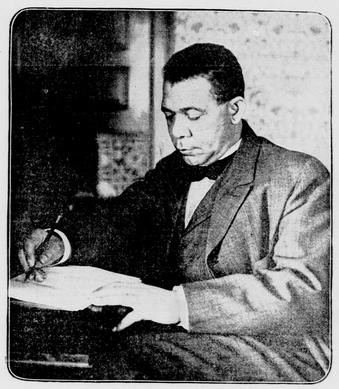
Early Life and Education: Booker T. Washington was born on April 5, 1856, into slavery on a plantation in Virginia. His early life was marked by hardship, yet it sparked a relentless pursuit of education. After the Civil War, Washington seized the opportunity to attend the newly established Hampton Institute in Virginia. His transformative experience there ignited a passion for learning and teaching, laying the foundation for his later endeavors.
Career and Contributions: In 1881, Booker T. Washington founded the Tuskegee Normal and Industrial Institute in Alabama, which became a pioneering institution for African American education. His innovative approach combined academic learning with vocational training, equipping students with practical skills that were vital for self-sufficiency. Washington’s work at Tuskegee not only fostered a sense of pride and empowerment among African Americans but also set a precedent for the role of education in social progress.
Philosophy and Influence: Booker T. Washington is perhaps best known for his philosophy of self-help and accommodation. In his famous "Atlanta Compromise" speech, he advocated for economic progress and vocational training over immediate civil rights, emphasizing that African Americans could earn respect and equality through hard work and self-improvement. This pragmatic approach garnered both admiration and criticism, influencing the discourse on race relations in America during the late 19th and early 20th centuries.
Legacy and Recognition: Washington's legacy extends far beyond his lifetime; he was a prolific author, writing several influential books, including his autobiography, "Up from Slavery." His contributions to education, civil rights, and economic empowerment continue to resonate today. Washington's life story embodies the struggle for dignity and equality, making him a pivotal figure in American history whose ideas remain relevant in ongoing discussions about race and education.