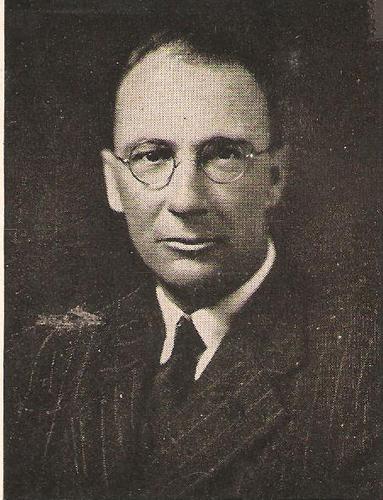
Early Life and Education: C. S. Forester, born Cecil Scott Forester on August 27, 1899, in Cairo, Egypt, was a renowned British author celebrated for his gripping naval novels and historical fiction. The son of a British soldier, Forester spent his formative years in England, where he developed a passion for literature and storytelling. He attended the University of London, where he studied medicine, though he ultimately chose to pursue a career in writing rather than in the medical field.
Literary Career: Forester's literary journey began in the 1920s, and he quickly gained recognition for his ability to weave intricate narratives filled with adventure and moral complexity. His most famous work, the Horatio Hornblower series, introduced readers to the life of a British naval officer during the Napoleonic Wars. The series, lauded for its authenticity and attention to detail, not only captivated audiences but also influenced the genre of naval fiction. Beyond Hornblower, Forester penned numerous novels, short stories, and screenplays, showcasing his versatility and depth as a writer.
Themes and Influence: Throughout his career, C. S. Forester explored themes of courage, honor, and the human spirit amidst the chaos of war. His works often reflect a profound understanding of the psychological struggles faced by individuals in times of conflict. Forester's unique ability to blend historical events with compelling characters has solidified his place in literary history. His influence extends beyond the page, impacting subsequent authors and filmmakers who seek to capture the complexities of naval warfare and the intricacies of human relationships.
Legacy and Recognition: C. S. Forester's contributions to literature have earned him a lasting legacy that continues to resonate with readers today. His works have been adapted into films and television series, further cementing his status as a significant figure in 20th-century literature. Forester passed away on April 2, 1966, in Fullerton, California, leaving behind a rich tapestry of storytelling that invites exploration and reflection on the human condition. His profound narrative style and compelling themes ensure that his works remain relevant and engaging for future generations.