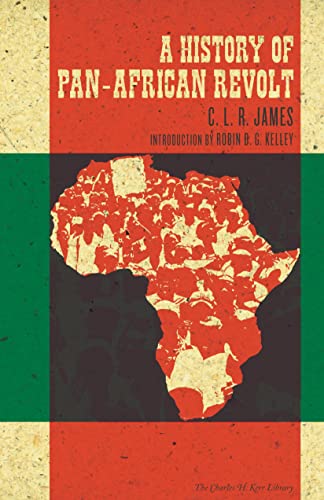
Early Life and Education: C.L.R. James, born on January 4, 1901, in Trinidad, was a towering figure in 20th-century literature and political thought. His early experiences in the Caribbean shaped his worldview, instilling a deep understanding of colonialism, race, and class struggle. James's academic journey began at Queen's Royal College in Port of Spain, where he excelled and developed a passion for literature and history that would define his later work.
Literary Contributions and Themes: James is perhaps best known for his seminal work, "The Black Jacobins," which examines the Haitian Revolution through the lens of historical materialism. This groundbreaking book not only brought attention to the complexities of the Haitian struggle for freedom but also positioned James as a critical voice in post-colonial literature. His writing blends history, politics, and literary narrative, showcasing his belief in the importance of historical context in understanding contemporary social issues.
Political Engagement and Activism: In addition to his literary contributions, C.L.R. James was a fervent political activist. He was deeply involved in the Pan-African movement and contributed to socialist thought throughout his life. His experiences living in both the Caribbean and Europe allowed him to engage with a diverse array of political ideologies, influencing his writings and activism. James's commitment to social justice and equality resonated through his essays, lectures, and public discourse, making him a key figure in the fight against colonialism and imperialism.
Legacy and Influence: C.L.R. James's influence extends far beyond his lifetime. His works continue to inspire scholars, activists, and writers around the world, particularly in discussions of race, class, and identity. As a pioneering intellectual, he has left an indelible mark on Caribbean literature and global political thought, solidifying his place as one of the most significant figures in 20th-century literature and social theory. His legacy serves as a reminder of the power of words to inspire change and challenge the status quo.