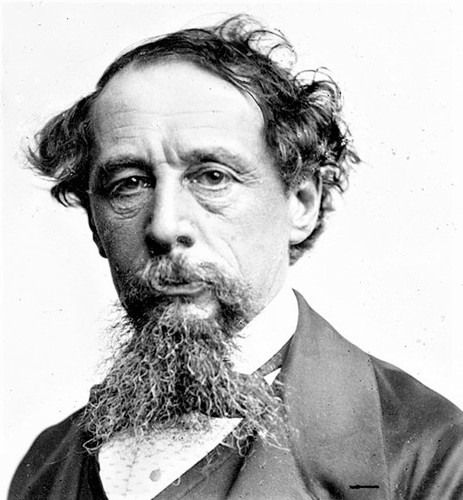
Early Life and Influences: Charles Dickens was born on February 7, 1812, in Portsmouth, England, into a modest family. His early years were marked by financial instability, as his father was imprisoned for debt, forcing young Dickens to leave school and work in a factory. This formative experience of hardship and social injustice profoundly influenced his literary voice, instilling a deep empathy for the plight of the underprivileged, which would become a hallmark of his work.
Literary Breakthrough: Dickens's literary career began with the publication of "Sketches by Boz" in 1836, which showcased his keen observational skills and vibrant character portrayals. His subsequent novels, including the iconic "Oliver Twist" and "David Copperfield," gained immense popularity, establishing him as a leading figure in Victorian literature. Dickens's ability to weave intricate plots and richly developed characters captivated readers, allowing him to explore complex social issues while providing entertainment.
Themes and Style: A defining feature of Dickens's writing is his exploration of social reform and the human condition. His works often highlight the struggles of the working class, child labor, and the failings of institutions. Dickens's distinct style combines humor, pathos, and a touch of the grotesque, creating a unique narrative voice that resonates with audiences. His characters, from the lovable yet unfortunate Oliver Twist to the enigmatic Ebenezer Scrooge, remain etched in literary history, reflecting the broader societal challenges of his time.
Legacy and Impact: Charles Dickens's impact on literature and culture is immeasurable. His novels have been adapted into countless films, plays, and television series, ensuring their relevance continues to this day. Furthermore, his advocacy for social justice and reform has inspired generations of writers and activists alike. Dickens's ability to blend storytelling with social commentary not only entertained but also educated his readers, making him a pivotal figure in both literature and social conscience. He passed away on June 9, 1870, leaving behind a rich legacy that still evokes admiration and study in literary circles worldwide.