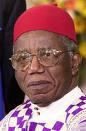
Early Life and Education: Chinua Achebe, born on November 16, 1930, in Ogidi, Nigeria, is celebrated as one of Africa's most important literary figures. His early years in a traditional Igbo family laid the groundwork for his profound understanding of cultural identity and colonialism. Achebe pursued higher education at the University of Ibadan, where he became deeply engaged in the literary and political discourse of his time, ultimately shaping his future as a writer and critic.
Literary Contributions: Achebe’s seminal novel, "Things Fall Apart," published in 1958, marked a pivotal moment in African literature. The book, which chronicles the impact of colonialism on Igbo society, remains a foundational text in postcolonial studies and has been translated into numerous languages. Through his compelling storytelling and rich character development, Achebe challenged prevailing narratives about Africa, advocating for a more nuanced and authentic representation of African cultures. His works, including "No Longer at Ease" and "Arrow of God," further explore themes of identity, tradition, and the complexities of modernity.
Cultural Impact and Advocacy: Beyond his fiction, Achebe was a passionate advocate for African literature and culture. He was instrumental in promoting the importance of writing in indigenous languages and frequently addressed the need for African voices in global literature. Achebe's essays, such as "An Image of Africa: Racism in Conrad's Heart of Darkness," critically examined the portrayal of Africa in Western literature and sparked significant discussions about representation and bias.
Legacy and Recognition: Chinua Achebe's influence extends far beyond his lifetime, as he continues to inspire generations of writers and thinkers. His contributions to literature earned him numerous accolades, including the Man Booker International Prize in 2007. Achebe's work not only transformed the landscape of African literature but also provided a powerful lens through which to view the complexities of identity, culture, and history in a rapidly changing world. Through his enduring legacy, Achebe remains a vital figure in the ongoing conversation about the role of literature in society.