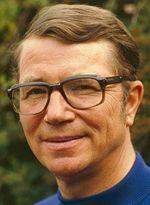
Early Life and Education: Colin Wilson was born on June 26, 1931, in Leicester, England. Growing up in a modest household, he developed a passion for literature and philosophy at an early age. His formative years were marked by a keen interest in the human condition, which later became a central theme in his writing. Wilson's academic journey took him through various schools, where he often felt out of place, leading him to explore existential questions that would inform his work for decades to come.
Literary Career: Wilson's literary career began with the publication of his groundbreaking book, The Outsider, in 1956. This work established him as a significant voice in existential literature, exploring themes of alienation and the search for meaning. His unique blend of philosophical inquiry and literary analysis garnered widespread acclaim and laid the groundwork for a prolific writing career. Over the years, Wilson authored more than 100 books, including novels, essays, and works on philosophy and psychology, making him a versatile figure in contemporary literature.
Philosophical Contributions: In addition to his fiction, Colin Wilson is renowned for his contributions to philosophy, particularly in the realms of existentialism and mysticism. His writings often delve into the human experience, examining consciousness, creativity, and the nature of reality. Wilson's ability to synthesize complex ideas into accessible prose has made his work appealing to both scholars and general readers alike, establishing him as a pivotal figure in 20th-century thought.
Legacy and Influence: Colin Wilson's influence extends beyond literature; he has inspired generations of writers, thinkers, and artists. His exploration of the human psyche and the quest for authenticity resonates with audiences today, as contemporary questions of identity and meaning persist. Wilson's enduring legacy is a testament to his ability to connect deeply with the complexities of the human experience, ensuring that his work remains relevant in an ever-evolving cultural landscape.