Daphne Du Maurier

Daphne Du Maurier
Early Life and Background Daphne Du Maurier, born on May 13, 1907, in London, England, emerged from a family steeped in artistic tradition. The daughter of actor Sir Gerald du Maurier and actress Muriel Beaumont, she was exposed to the performing arts from a young age. Growing up alongside her two ... Read More
Total Books: 1
Author's Recent Books
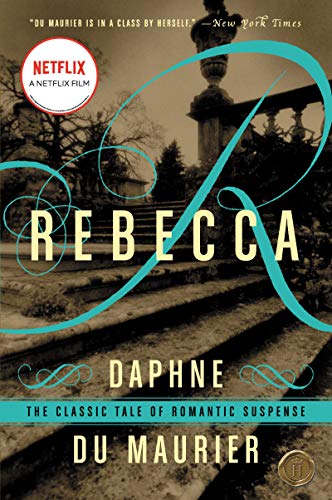
Author's Bio
Early Life and Background: Daphne Du Maurier, born on May 13, 1907, in London, England, emerged from a family steeped in artistic tradition. The daughter of actor Sir Gerald du Maurier and actress Muriel Beaumont, she was exposed to the performing arts from a young age. Growing up alongside her two sisters, Daphne found her passion for storytelling early on, eventually pursuing her writing career at the young age of 18. Her unique upbringing provided her with a rich canvas of experiences that would later inform her acclaimed literary works.
Literary Achievements: Du Maurier's career took off with the publication of her first novel, "The Loving Spirit," in 1931, but it was her subsequent works that truly established her as a literary force. "Rebecca," published in 1938, remains her most famous novel, captivating audiences with its haunting narrative and complex characters. The book's exploration of themes such as jealousy, identity, and the supernatural solidified her reputation as a master of psychological suspense. Throughout her career, Du Maurier produced a diverse body of work, including novels, short stories, and plays, showcasing her versatility and depth as a writer.
Influence and Style: Daphne Du Maurier's writing is characterized by a deep sense of place and atmosphere, often weaving elements of mystery and romance. Her ability to evoke strong emotions and create memorable characters has influenced countless authors and continues to resonate with readers today. Du Maurier's work frequently explores the darker aspects of human nature, making her stories not just gripping but also thought-provoking. Her distinctive style combines lyrical prose with intricate plotting, earning her a permanent place in the canon of English literature.
Legacy and Recognition: Daphne Du Maurier's legacy endures through her timeless works, which have been adapted into numerous films and stage productions, most notably Alfred Hitchcock's adaptation of "Rebecca." She received several awards throughout her life, including the James Tait Black Memorial Prize. Du Maurier passed away on April 19, 1989, but her influence on the literary world remains profound, inspiring new generations of writers and readers drawn to her compelling narratives and unforgettable characters.