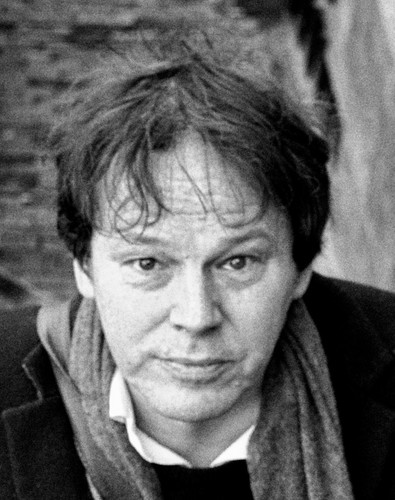
Introduction to David Graeber: David Graeber was an influential anthropologist, author, and activist known for his profound insights into economics, society, and human behavior. Born on February 12, 1961, Graeber's work often challenged conventional wisdom, making him a pivotal figure in contemporary social theory. His academic journey began with a focus on the intricacies of human relationships, which later expanded into critiques of capitalism and authority.
Academic Contributions: Graeber earned his Ph.D. in anthropology from the University of Chicago, where he developed a keen interest in the dynamics of debt and economic systems. His seminal work, "Debt: The First 5,000 Years," published in 2011, presented a groundbreaking historical analysis that examined how debt has shaped societal structures throughout history. This book not only established him as a leading voice in anthropology but also resonated with broader movements challenging neoliberal economic practices.
Activism and Influence: Beyond academia, David Graeber was deeply involved in social movements, particularly the Occupy Wall Street protests in 2011. His role as a public intellectual amplified his commitment to social justice, as he articulated the connections between economic systems and social inequality. Graeber's ability to merge theoretical frameworks with grassroots activism made his work accessible and relevant to a wider audience, inspiring countless activists and thinkers.
Legacy and Recognition: Graeber's impact extended beyond his writings and activism; he was a beloved figure among students and colleagues alike. His unique perspective fostered critical discussions about power, authority, and the potential for societal transformation. Even after his untimely passing on September 2, 2020, his ideas continue to inspire new generations, ensuring that his legacy endures in both academic circles and the broader fight for social equity.
Conclusion: David Graeber’s contributions to anthropology and activism have left an indelible mark on how we understand economic systems and human relationships. His works serve as a call to rethink existing paradigms and advocate for a more equitable society, reflecting his unwavering belief in the power of collective action and human creativity.