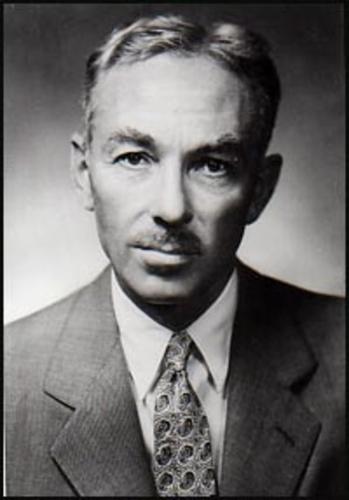
Early Life and Education: E. B. White, born Elwyn Brooks White on July 11, 1899, in Mount Vernon, New York, was an influential American author and essayist. Raised in a family that valued literature and creativity, White's early exposure to writing was nurtured by his mother, a teacher and a poet. He attended Cornell University, where he honed his writing skills and developed a passion for the craft, eventually graduating in 1921.
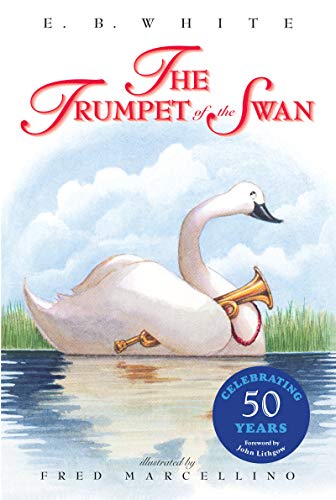
Literary Contributions: White's literary journey began with his work in journalism, where he contributed to several notable publications, including The New Yorker. His unique voice and keen observational skills quickly earned him recognition. Through his essays and articles, White captivated readers with his ability to blend humor with profound insights. He is perhaps best known for his children's books, including "Charlotte's Web," "Stuart Little," and "The Trumpet of the Swan," which have become classics, cherished by generations for their warmth and wisdom.
Legacy and Impact: E. B. White's contribution to American literature extends beyond children's books. He co-authored "The Elements of Style," a seminal guide that has shaped writing instruction for countless students and professionals. His commitment to clarity and precision in writing has left an indelible mark on both literature and education. White's keen observations about life, nature, and humanity resonate deeply, making his works enduringly relevant.
Personal Life and Philosophy: Throughout his life, E. B. White maintained a profound connection to nature and the rural landscape, often reflected in his writings. He spent much of his later years in Maine, where he drew inspiration from his surroundings. White believed in the power of words to evoke emotion and provoke thought, a philosophy that continues to inspire writers today. His legacy as a master storyteller and a gentle observer of the human condition remains influential, solidifying his place as one of America's literary greats.