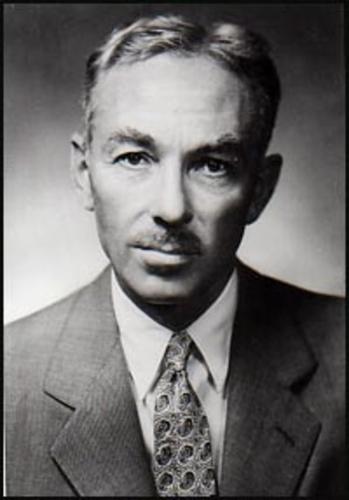
Early Life and Education: E. B. White, born Elwyn Brooks White on July 11, 1899, in Mount Vernon, New York, grew up in a family that valued creativity and nature. His early experiences in the countryside fostered a deep appreciation for the environment, a theme that would later permeate his literary work. White attended Cornell University, where he initially studied agriculture but eventually gravitated toward writing, contributing to the university's newspaper and honing his craft.
Literary Career and Contributions: White's literary journey began in journalism, working for the New Yorker magazine in the 1920s, where his sharp wit and keen observations quickly garnered attention. His transition to children's literature solidified his legacy, most notably with timeless classics such as "Charlotte's Web," "Stuart Little," and "The Trumpet of the Swan." These works are celebrated not only for their enchanting narratives but also for their exploration of complex themes such as friendship, loss, and the importance of nature.
Awards and Recognition: Throughout his illustrious career, E. B. White received numerous accolades for his contributions to literature, including the Laura Ingalls Wilder Medal and a special citation from the National Book Awards. His essays and editorials also earned him a reputation as a formidable voice in American literary and cultural discussions, reflecting on both the mundane and profound aspects of life in a rapidly changing world.
Legacy and Influence: E. B. White's influence extends far beyond the pages of his books. His ability to articulate the human experience, coupled with his love for the natural world, has inspired generations of readers and writers alike. Even today, his works remain staples in classrooms and libraries, continuing to resonate with audiences of all ages. White's legacy is not merely in the stories he told, but in the enduring values of kindness, empathy, and the importance of connection with the world around us.