E. H. Carr
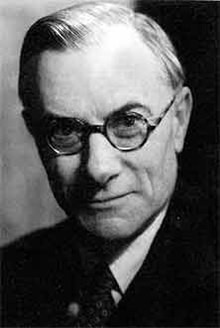
E. H. Carr
Early Life and Education E. H. Carr, born Edward Hallett Carr in 1892, was an influential British historian, political theorist, and writer whose contributions significantly shaped the field of historical studies. Originally hailing from London, Carr pursued his academic interests at Balliol Colle... Read More
Total Books: 1
Author's Recent Books

Author's Bio
Early Life and Education: E. H. Carr, born Edward Hallett Carr in 1892, was an influential British historian, political theorist, and writer whose contributions significantly shaped the field of historical studies. Originally hailing from London, Carr pursued his academic interests at Balliol College, Oxford, where he graduated with a degree in history. His formative years set the stage for a lifelong engagement with historical inquiry, marked by a keen interest in the interplay between history and politics.
Career Highlights: Carr’s career began in the realm of journalism, where he wrote for various publications, including the Manchester Guardian. However, he soon transitioned to academia, becoming a notable lecturer at the University of Wales and later at the University of London. His seminal work, What is History?, published in 1961, remains a cornerstone of historical theory, challenging traditional narratives and advocating for a more interpretive approach to understanding the past. Carr's perspective on historiography emphasized the subjectivity of historical interpretation, making his ideas both provocative and enduring.
Philosophy and Impact: E. H. Carr’s philosophy centered on the belief that history is not merely a chronological account of events but a complex interplay of causes and effects, influenced by the historian's own context. He argued that the historian’s role is not to simply catalog facts, but to engage with them critically, providing insight into the motivations and social dynamics that shaped historical outcomes. This approach has left an indelible mark on the study of history, encouraging scholars to explore the deeper implications of their work.
Legacy: Carr's influence extends beyond his publications; he inspired generations of historians and political theorists to think critically about their discipline. His writings fostered a more nuanced understanding of history’s relevance to contemporary society, prompting discussions about the nature of truth and objectivity in historical discourse. E. H. Carr passed away in 1982, but his legacy continues to resonate in academic circles, where his insights remain essential for those seeking to grapple with the complexities of history and its interpretation.