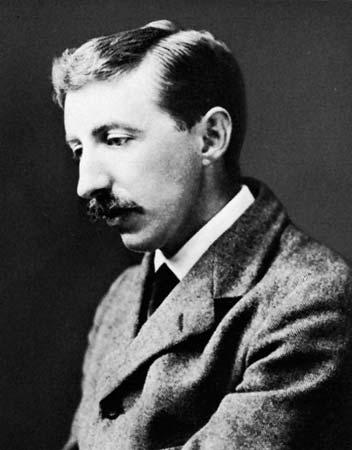
Introduction to E. M. Forster: E. M. Forster, born Edward Morgan Forster on January 1, 1879, in London, England, is a celebrated novelist, essayist, and critic known for his insightful exploration of human relationships and societal norms. His literary works often reflect his progressive views on class, sexuality, and the complexities of interpersonal connections, making him a pivotal figure in early 20th-century literature.
Literary Contributions and Style: Forster's most renowned novels, including A Room with a View, Howards End, and A Passage to India, exemplify his adeptness at weaving intricate narratives that delve into the lives of individuals against the backdrop of changing social mores. His writing style is characterized by a keen observation of character and an incisive wit, allowing readers to engage deeply with the emotional and psychological landscapes of his characters. Forster's ability to blend humor with profound social commentary has secured his place among the literary greats.
Themes and Ideologies: Central to Forster's work are themes of connection, empathy, and the quest for personal authenticity. He was a vocal advocate for social justice and championed the rights of marginalized communities, particularly in relation to class and sexuality. His famous refrain, “Only connect,” encapsulates his belief in the importance of human relationships and the interdependence of individuals within society. This philosophy permeates his fiction and offers a timeless appeal that resonates with readers across generations.
Legacy and Influence: E. M. Forster passed away on June 7, 1970, leaving behind a rich legacy of literature that continues to inspire writers and readers alike. His works have been adapted into numerous films, plays, and radio dramas, solidifying his influence on contemporary culture. As a pioneering figure in modernist literature, Forster's exploration of human emotion and societal constraints remains relevant, ensuring his enduring place in the literary canon.