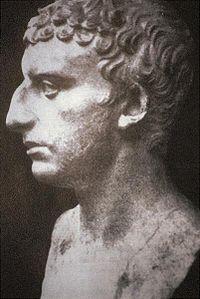
Early Life and Historical Context: Flavius Josephus, born in 37 CE in Jerusalem, emerged from a distinguished family of Jewish priests and scholars. His upbringing in a culturally rich environment allowed him to absorb the complexities of Jewish tradition and Hellenistic influence. This unique background would later shape his writings, which sought to bridge the divide between Jewish and Roman cultures during a tumultuous period marked by conflict and upheaval.
Military Leadership and Capture: Josephus initially gained recognition as a commander during the Jewish-Roman War (66-73 CE), where he led forces in Galilee. His military career, however, took a dramatic turn when he was captured by Roman forces led by General Vespasian. Rather than face execution, Josephus famously prophesied that Vespasian would become emperor, a prediction that proved accurate. This pivotal moment altered his trajectory, leading him to align himself with the Romans, a decision that would inform his later works.
Literary Contributions: As a historian and author, Flavius Josephus is best known for his seminal writings, including "The Antiquities of the Jews" and "The Jewish War." These texts provide invaluable insights into Jewish history, culture, and the sociopolitical landscape of the time. His narratives not only document the Jewish experience under Roman rule but also offer perspectives on the interactions between Jews and their Gentile counterparts. Through his eloquent prose, Josephus sought to preserve Jewish heritage while advocating for understanding between disparate cultures.
Legacy and Influence: Josephus’s works have left an indelible mark on both Jewish and Christian historical scholarship. His writings serve as crucial sources for understanding the Second Temple period, the rise of early Christianity, and the dynamics of Roman governance. Over the centuries, Josephus has been revered as a critical historian who navigated the challenges of his time, leaving a legacy that continues to inspire scholars and readers alike. His ability to articulate the complexities of his era remains a testament to his enduring significance in the annals of history.