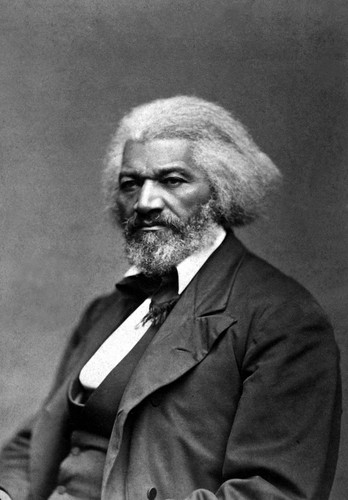
Early Life and Background: Frederick Douglass, born in February 1818 in Talbot County, Maryland, emerged from a background steeped in oppression and hardship. The son of an enslaved mother and an unknown white father, Douglass spent his early years in slavery, experiencing the brutal realities of a system designed to dehumanize him. Despite this, he found ways to educate himself, often defying the laws prohibiting the education of enslaved individuals. His relentless pursuit of knowledge would become a cornerstone of his life and work.
A Voice for Freedom: In 1838, Douglass escaped from slavery and settled in the North, where he quickly became a prominent advocate for abolition and civil rights. His eloquence and powerful speeches captivated audiences, allowing him to emerge as a leading voice in the fight for freedom. Douglass’s narrative, “Narrative of the Life of Frederick Douglass, an American Slave,” published in 1845, was groundbreaking. It not only exposed the harsh realities of slavery but also highlighted the resilience and strength of the human spirit. This autobiography became an essential piece of literature in the abolitionist movement.
Legacy of Activism: Throughout his life, Douglass was more than just an abolitionist; he was a fervent advocate for women's rights, education, and social justice. He attended the Seneca Falls Convention in 1848, where he spoke passionately about the intersection of race and gender, emphasizing that the fight for equality should encompass all marginalized groups. His powerful rhetoric and unwavering commitment to justice left an indelible mark on American society, inspiring generations of activists and leaders.
Enduring Impact: Frederick Douglass passed away on February 20, 1895, yet his legacy continues to resonate today. His writings and speeches remain a testament to the struggle for freedom and equality. Douglass not only changed the narrative around race in America but also laid the groundwork for civil rights movements that followed. His life story serves as a reminder of the power of words and the enduring fight for justice.