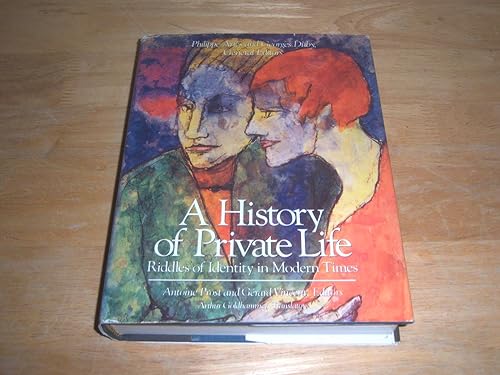
Early Life and Education: Georges Duby was born in 1919 in the picturesque town of Gignac, France. From a young age, he exhibited a keen interest in history and the humanities, which would later shape his illustrious academic career. After completing his studies at the prestigious École Normale Supérieure, Duby earned a doctorate in history, focusing on the medieval period—a subject that would become the cornerstone of his scholarly work.
Academic Contributions: Throughout his career, Georges Duby made significant contributions to the field of medieval studies. His innovative approach to historical narrative combined rigorous analysis with a deep understanding of social structures and cultural dynamics. Duby's work often highlighted the lives of ordinary people, providing a refreshing perspective on history that went beyond the traditional focus on kings and battles. His seminal texts, such as "The Knight, the Lady and the Priest," challenged existing historiographical norms and offered new insights into the interplay between gender, class, and power in medieval society.
Influence and Legacy: Duby's influence extended beyond the walls of academia; he was instrumental in shaping the way historians perceive and interpret medieval Europe. As a professor at the University of Aix-Marseille, he inspired countless students, many of whom would go on to become prominent historians in their own right. His ability to weave compelling narratives with scholarly rigor earned him numerous accolades, including the prestigious Grand Prix de l'Académie française.
A Lasting Impact: Georges Duby passed away in 1996, but his legacy endures through his extensive body of work and the lasting impact he had on historical scholarship. His innovative methodologies and fresh perspectives continue to resonate with historians and enthusiasts alike. Today, he is remembered not only as a leading figure in medieval studies but also as a pioneer who expanded the boundaries of historical inquiry.