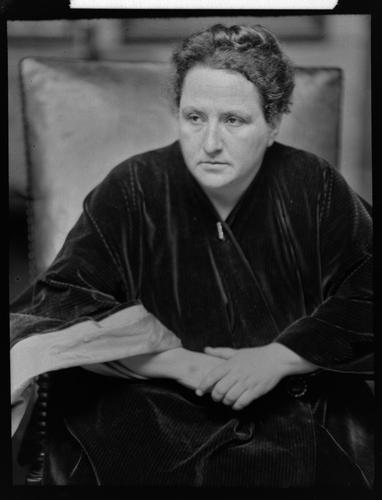
Introduction to Gertrude Stein: Gertrude Stein was a pioneering American avant-garde writer, poet, and art collector, born on February 3, 1874, in Allegheny, Pennsylvania. Renowned for her influential role in modernist literature, Stein's work challenged conventional narrative forms and explored new avenues of expression. Her innovative use of language and structure paved the way for future generations of writers and artists, establishing her as a central figure in the literary and cultural revolutions of the early 20th century.
Literary Contributions: Stein's literary oeuvre is marked by its experimental nature, with works such as "Three Lives" (1911) and "Tender Buttons" (1914) showcasing her unique approach to storytelling and language. Rather than focusing on traditional plots, Stein emphasized the rhythm and cadence of words, creating a style that was both playful and profound. Her famous phrase, “There is no there there,” encapsulates her belief in the fluidity of identity and experience, reflecting the complexities of modern life. As a result, her writings not only challenged the norms of her time but also inspired countless artists and writers who followed in her footsteps.
Cultural Impact: Beyond her literary achievements, Gertrude Stein was a key figure in the Parisian avant-garde movement, befriending influential artists, including Pablo Picasso and Henri Matisse. Her Paris salon became a vital hub for intellectual exchange, where ideas flourished and cultural boundaries were pushed. Stein's unwavering support for contemporary art helped to elevate the status of modernism, and her insights into the artistic process contributed significantly to the evolution of various artistic movements.
Legacy and Recognition: Gertrude Stein passed away on July 27, 1946, leaving behind a rich legacy that continues to resonate in contemporary literature and art. Her fearless exploration of language and identity has solidified her status as a trailblazer in modernist thought. Today, Stein is celebrated not only for her literary innovations but also for her role as a cultural icon, an enduring symbol of the transformative power of creativity and individuality.