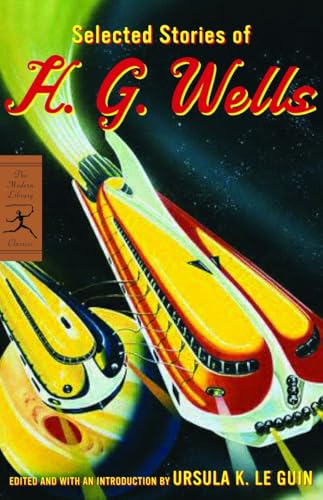
Early Life and Education: Herbert George Wells, commonly known as H. G. Wells, was born on September 21, 1866, in Bromley, Kent, England. Growing up in a modest household, Wells was the son of a domestic gardener and a servant. His early exposure to literature ignited a passion for storytelling. He pursued his education at the Normal School of Science in London, where he studied biology under the influential Thomas Henry Huxley. This academic background would later permeate his writing, as science and its implications became central themes in his works.
Literary Contributions: Wells is best known for his pioneering contributions to the science fiction genre. His publications, including "The Time Machine" (1895) and "The War of the Worlds" (1898), not only entertained readers but also provoked thought about humanity's future and the ethical dilemmas posed by technological advancement. His narrative style blended imaginative scenarios with rigorous scientific inquiry, establishing a framework for future science fiction authors. With over a hundred books to his name, Wells's versatility extended beyond fiction; he also delved into social commentary, history, and political critiques, making him a formidable intellectual figure of his time.
Philosophical Ideas and Legacy: Wells was not merely a storyteller; he was a keen observer of society. His writings frequently reflected his concerns about class disparity, imperialism, and the potential dangers of unchecked technological progress. This philosophical depth distinguished his work from that of many contemporaries. Wells's vision of a utopian society, as articulated in "A Modern Utopia" (1905), challenged readers to think critically about the world around them and their role in shaping its future.
Impact on Science Fiction and Culture: H. G. Wells's influence extends far beyond literature; he is often regarded as a father of modern science fiction. His imaginative concepts have inspired countless adaptations in film, television, and other media. As a visionary thinker, Wells's ideas continue to resonate today, prompting discussions around science, ethics, and society. Through his compelling storytelling and insightful critiques, Wells has secured a lasting place in both literary and cultural history.