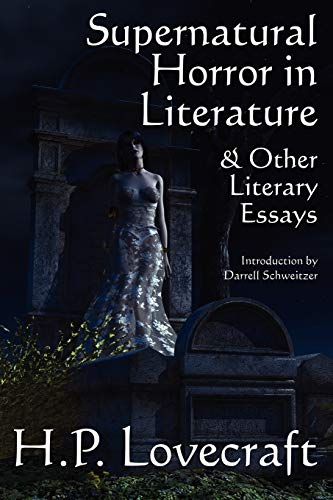
Introduction to H. P. Lovecraft: H. P. Lovecraft, born Howard Phillips Lovecraft on August 20, 1890, in Providence, Rhode Island, emerged as one of the most influential figures in 20th-century horror literature. Despite facing significant challenges throughout his life, including financial hardship and declining health, Lovecraft’s unique vision and distinctive style left an indelible mark on the genre. His works have inspired countless authors, filmmakers, and artists, leading to a lasting legacy that continues to captivate audiences today.
Literary Contributions and Style: Lovecraft is best known for his creation of the Cthulhu Mythos, a shared universe populated by ancient cosmic deities and an array of unsettling creatures. His writing style is characterized by elaborate descriptions and a profound sense of cosmic horror, exploring themes of existential dread and the insignificance of humanity in the vast universe. Notable works such as "The Call of Cthulhu," "At the Mountains of Madness," and "The Shadow Over Innsmouth" showcase his unparalleled ability to evoke fear and intrigue, often blending elements of science fiction with horror.
Life and Legacy: Despite his relatively short life—he passed away in 1937 at the age of 46—Lovecraft's influence has grown exponentially since his death. His work was largely unrecognized during his lifetime, but posthumously, a cult following emerged, leading to a resurgence of interest in his stories. Lovecraft's impact is evident in contemporary literature, film, and popular culture, where his themes of forbidden knowledge and the unknown continue to resonate. Today, he is revered as a pioneer of weird fiction, and his stories remain widely read and adapted.
Cultural Relevance: Lovecraft's legacy extends beyond literature; his ideas have permeated various facets of popular culture, inspiring video games, board games, and films. The term "Lovecraftian" has become synonymous with a particular style of horror that emphasizes the cosmic and the unknowable. As scholars and fans continue to explore his works, Lovecraft's narratives serve as a lens through which we examine our own fears and the mysteries that lie beyond the limits of human understanding.