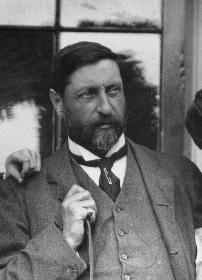
Early Life and Education: H. Rider Haggard, born on June 22, 1856, in Bradenham, Norfolk, England, emerged as a prominent figure in the literary world during the late 19th century. The son of a farmer, Haggard grew up in a rural setting that sparked his imagination and love for storytelling. He was educated at Ipswich School and later attended the University of London, where he developed a keen interest in literature, history, and adventure.
Literary Career and Influences: Haggard’s literary career began in earnest with the publication of his first novel, King Solomon's Mines, in 1885. This adventure tale, inspired by his experiences in South Africa and the colonial landscapes he explored, captivated readers and established him as a master of the adventure genre. His works often reflect themes of exploration, imperialism, and the clash of civilizations, drawing heavily on his own travels and the rich folklore of Africa. Haggard's vivid storytelling and ability to create compelling characters resonated with audiences and laid the groundwork for future adventure writers.
Legacy and Impact: As one of the pioneers of the adventure novel, H. Rider Haggard's influence extends beyond his own works. He inspired a generation of authors, including the likes of Edgar Rice Burroughs and J.R.R. Tolkien, who drew from Haggard's imaginative landscapes and adventurous spirit. Haggard's novels often featured strong, resourceful protagonists facing moral dilemmas, reflecting the complexities of human nature and the challenges of the era. Today, his works remain a testament to the enduring power of adventure literature, inviting new generations of readers to explore the worlds he created.
Final Years and Recognition: In his later years, Haggard continued to write and engage with various social and political issues, including women's rights and agricultural reform. He passed away on May 14, 1925, leaving behind a rich legacy that has endured through time. H. Rider Haggard’s contributions to literature are celebrated for their imaginative depth and cultural significance, positioning him as a key figure in the canon of English literature. His adventures continue to inspire and entertain, ensuring his place in the literary world remains secure.