Early Life and Education: Harper Lee, born Nelle Harper Lee on April 28, 1926, in Monroeville, Alabama, emerged as one of America’s most significant literary voices. Growing up in the racially charged environment of the South, Lee's formative years were marked by a deep exposure to the complexities of human behavior and morality. She attended Huntingdon College and later transferred to the University of Alabama, where she began to hone her writing skills and explore her passion for literature.
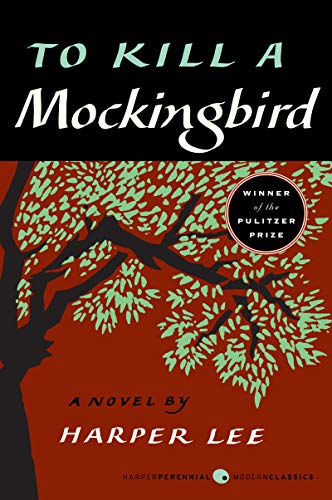
Literary Breakthrough: Lee's monumental contribution to American literature came with her debut novel, To Kill a Mockingbird, published in 1960. This poignant narrative, centered around themes of racial injustice and moral growth, was influenced by her own experiences in a segregated community. The book received widespread critical acclaim, winning the Pulitzer Prize for Fiction in 1961 and becoming a staple in American literature courses. Its exploration of empathy and justice continues to resonate with readers, marking it as a timeless classic.
Later Works and Recognition: Although Lee published her second novel, Go Set a Watchman, in 2015, which was written before To Kill a Mockingbird, her literary output remained sparse throughout her life. The posthumous publication of this work rekindled interest in Lee's writing and her unique perspective on societal issues. Throughout her life, she remained a reclusive figure, carefully guarding her privacy while allowing her work to speak for itself.
Legacy and Impact: Harper Lee’s influence extends beyond her literary achievements; her works have sparked conversations about race, morality, and human rights. Despite her passing on February 19, 2016, her legacy lives on through the ongoing study and admiration of her work. Lee’s ability to capture the human experience in a profound and relatable manner ensures her place as a key figure in American literature for generations to come.