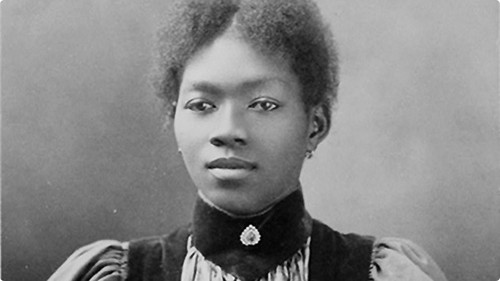
Early Life and Background: Harriet E. Wilson was a pioneering figure in American literature, recognized as one of the first African American women to publish a novel in the United States. Born in 1825 in New Hampshire, her life was marked by the struggles of her mixed-race heritage, which shaped her perspective and literary voice. Raised in a period rife with racial tensions and societal challenges, Wilson's experiences informed her writing, allowing her to convey the complexities of her identity and the broader issues of race and gender.
Literary Contributions: Wilson's most notable work, Our Nig; or, Sketches from the Life of a Free Black, published in 1859, is a semi-autobiographical novel that explores the life of a free Black woman in the North. The book stands as a significant contribution to American literature, providing a rare insight into the struggles faced by free African Americans during a time when their voices were often silenced. Through her poignant narrative, Wilson not only challenged the prevailing stereotypes of her time but also illuminated the harsh realities of slavery, discrimination, and social injustice.
Legacy and Recognition: Despite the initial obscurity of her work, Harriet E. Wilson's legacy has gained renewed attention in recent years. Scholars and literary critics have begun to recognize her contributions to the literary canon, positioning her as a vital figure in the historical context of African American literature. Her pioneering spirit and determination have inspired countless writers and activists who continue to fight for equality and representation in literature and beyond.
Conclusion and Impact: Harriet E. Wilson's journey as an author reflects the resilience and strength of the human spirit. Her work not only captures the essence of her own experiences but also serves as a powerful reminder of the importance of diverse voices in literature. As we continue to explore her contributions, Wilson remains an enduring figure whose influence resonates in contemporary discussions surrounding race, gender, and the power of storytelling.