Early Life and Education: Iris Chang was born on March 28, 1968, in Princeton, New Jersey, to Chinese immigrant parents who instilled in her a deep appreciation for history and cultural heritage. Growing up in a multicultural environment, she developed a passion for storytelling and a keen interest in the complexities of human experiences. Chang pursued her academic ambitions at the University of California, Berkeley, where she earned a Bachelor’s degree in History. Her time at Berkeley not only honed her research skills but also fostered a commitment to uncovering the narratives often overlooked in mainstream historical discourse.
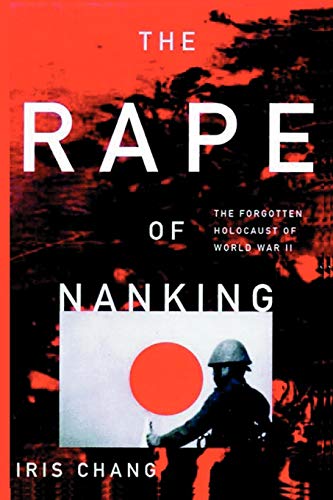
Career Highlights: Chang's literary career began as a journalist, where she contributed to various publications, including the San Jose Mercury News. However, it was her groundbreaking book, The Rape of Nanking, published in 1997, that catapulted her to international acclaim. This poignant work shed light on the atrocities committed during the Nanjing Massacre in 1937, challenging the silence surrounding this dark chapter in history. Chang's meticulous research and compelling narrative style captivated readers and ignited discussions about the importance of remembering and acknowledging historical injustices.
Legacy and Influence: In addition to her impactful writing, Iris Chang was a passionate advocate for human rights and historical awareness. Her works continue to resonate with audiences globally, inspiring a new generation of historians and activists. Chang's dedication to amplifying marginalized voices and her relentless pursuit of truth have established her as a significant figure in contemporary literature. Tragically, her life was cut short in 2004, but her legacy endures through her writings, which remain essential reading for anyone seeking to understand the complexities of history and its impact on present-day society.
Conclusion: Iris Chang's contributions to literature and history transcend time, serving as a powerful reminder of the importance of remembrance and the responsibility to confront uncomfortable truths. Her voice, marked by both compassion and tenacity, continues to inspire those who seek justice and understanding in a world often marred by conflict and silence.