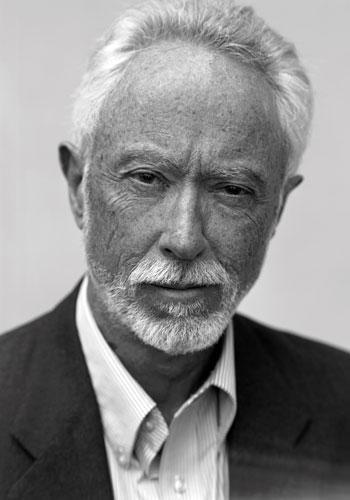
Early Life and Education: J. M. Coetzee, born on February 9, 1940, in Cape Town, South Africa, is a distinguished novelist, essayist, and literary critic whose work has garnered international acclaim. Raised in a middle-class family under the constraints of apartheid, Coetzee's early exposure to the complexities of race and social justice would profoundly shape his literary voice. He attended the University of Cape Town, where he earned his bachelor's degree in English and literature, later pursuing graduate studies at the University of Texas at Austin.
Literary Achievements: Coetzee's literary career began to flourish in the 1970s with the publication of his debut novel, "Dusklands," followed by the critically acclaimed "In the Heart of the Country" and "Waiting for the Barbarians." His works often explore themes of colonialism, identity, and the moral dilemmas faced by individuals in turbulent societies. A hallmark of his style is the blending of narrative techniques that challenge traditional storytelling, allowing readers to engage with profound ethical questions. His novel "Disgrace" earned the Booker Prize in 1999 and remains one of his most celebrated works.
Themes and Influence: Throughout his career, Coetzee has been a vocal critic of social injustices, and his writings often reflect a deep concern for the ethical implications of power dynamics. His exploration of the human condition, particularly in relation to oppression and resistance, resonates across cultures and time periods. Coetzee's philosophical inquiries extend beyond literature, influencing political discourse and ethical considerations in contemporary society.
Recognition and Legacy: In addition to the Booker Prize, Coetzee has received numerous accolades, including the Nobel Prize in Literature in 2003, recognizing his significant contribution to global literature. His influence extends beyond his novels, as his essays and lectures have inspired generations of writers and thinkers. J. M. Coetzee's commitment to exploring the complexities of human existence ensures that his works will endure in the literary canon for years to come.