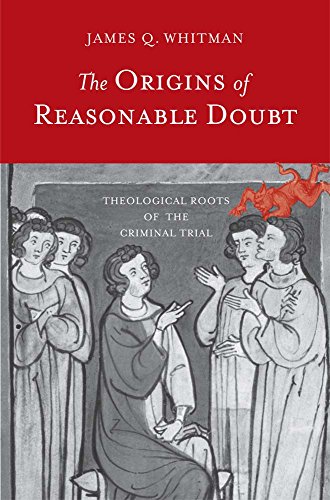
Introduction to James Q. Whitman: James Q. Whitman is a distinguished author and legal scholar known for his incisive explorations of legal history and its intersections with political theory. With a focus on how law shapes and is shaped by societal norms, Whitman has established himself as a thought leader in the field. His works delve into complex themes, offering readers rich insights into the evolving landscape of legal thought.
Academic Background and Career: Whitman earned his undergraduate degree from Harvard University, followed by his Juris Doctor from the University of Chicago. These formative experiences laid the groundwork for his future contributions to legal academia. Over the years, he has held prestigious positions at various esteemed institutions, including Yale Law School, where he currently serves as a professor. His academic rigor is matched by a commitment to fostering critical thinking in his students, encouraging them to engage with the law not just as a set of rules but as a living, breathing entity that reflects cultural values.
Major Works and Contributions: In his writing, James Q. Whitman often challenges conventional perspectives, pushing boundaries and inviting discourse. His notable publications, including Harsh Justice: Criminal Punishment and the Widening Divide between America and Europe, examine the stark contrasts in penal practices across the Atlantic. By juxtaposing American and European legal systems, he illuminates broader societal implications, making his work relevant to both legal professionals and the general public.
Engagement with Contemporary Issues: Beyond his scholarly pursuits, Whitman is an active commentator on contemporary legal issues, contributing to discussions that shape public understanding of law. His ability to articulate complex legal concepts in accessible language has made him a sought-after speaker and writer. Through various platforms, he continually advocates for a nuanced understanding of justice and its implications in modern society, reflecting his belief in the law as a dynamic force for social change.
Conclusion and Legacy: James Q. Whitman exemplifies the role of the modern legal scholar, blending rigorous analysis with a passion for teaching and public engagement. His contributions extend beyond academia, influencing both legal practice and public opinion. As he continues to publish and engage with pressing legal issues, Whitman's legacy as a pivotal figure in legal scholarship remains firmly established.