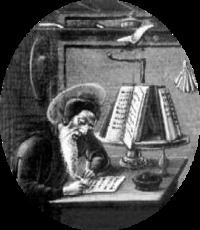
Early Life and Background: John Cassian is a distinguished figure in the realm of spiritual literature and early Christian theology. Born in the late 4th century in the region of Scythia (modern-day Romania), Cassian's journey towards becoming a prominent author began with his early education in monasticism. He was deeply influenced by the ascetic practices of the Egyptian desert fathers, which would later shape his writings and teachings.
Monastic Influence and Contributions: After years of rigorous spiritual training, Cassian co-founded a monastery in Marseille, France, where he introduced the principles of Eastern monasticism to the Western Church. His work, particularly "The Institutes" and "The Conferences," serves as a crucial link between Eastern and Western monastic traditions. These texts not only provide profound insights into monastic life but also emphasize the importance of community, prayer, and the pursuit of virtue.
Theological Legacy: Cassian’s theological contributions extended beyond monasticism. He was instrumental in the development of concepts such as grace and free will, which became pivotal in later theological debates. His emphasis on the importance of inner spiritual struggle and the transformative power of prayer has resonated through the ages, influencing countless theologians and spiritual leaders.
Enduring Impact: Today, John Cassian is revered not only as a writer but also as a spiritual guide whose thoughts continue to inspire modern readers seeking a deeper understanding of faith and spirituality. His ability to articulate the complexities of the Christian experience in accessible language has secured his place as a significant figure in Christian literature. His works remain vital resources for those exploring the intricate balance between action and contemplation in their spiritual journeys.