John Dos Passos
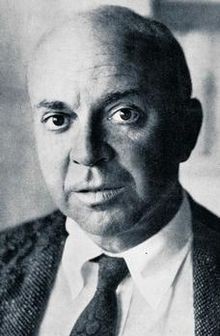
John Dos Passos
Early Life and Education John Dos Passos was born on January 14, 1896, in Chicago, Illinois, into a family with a rich cultural background that would later influence his literary work. His father, a successful architect, and his mother, a socialite with a passion for arts, provided a nurturing env... Read More
Total Books: 1
Author's Recent Books
![U.S.A.: The Complete Trilogy [The 42nd Parallel, 1919, and The Big Money] (U.S.A. Trilogy)](https://m.media-amazon.com/images/I/41Q3uPRL-eL._SL500_.jpg)
Author's Bio
Early Life and Education: John Dos Passos was born on January 14, 1896, in Chicago, Illinois, into a family with a rich cultural background that would later influence his literary work. His father, a successful architect, and his mother, a socialite with a passion for arts, provided a nurturing environment that fostered creativity. Dos Passos attended Harvard University, where he studied architecture and began to hone his writing skills, ultimately graduating in 1916. His experiences in Europe during World War I deeply impacted his worldview, shaping the themes of disillusionment and social injustice that would permeate his later works.
Literary Contributions: Primarily known for his innovative narrative style, John Dos Passos made significant contributions to American literature through his novels, essays, and plays. His most notable work, the "U.S.A." trilogy, is often regarded as a hallmark of modernist literature. In this trilogy, he employed a unique blend of stream-of-consciousness writing, newsreel-like segments, and biographical sketches to depict American society in the early 20th century. Dos Passos's keen observations of the socio-political landscape and his ability to weave them into compelling narratives earned him a place among the literary giants of his time.
Political Engagement and Activism: A staunch advocate for social reform, Dos Passos was deeply influenced by his experiences during the Great Depression and the rise of fascism. His political views evolved over the years, moving from a youthful idealism associated with socialism to a more complex critique of both capitalism and communism. This ideological journey is reflected in his works, particularly in "The 42nd Parallel," where he explores the struggles of the working class and the impact of industrialization on American life. His commitment to social justice and equality remains a significant aspect of his legacy.
Legacy and Influence: John Dos Passos passed away on September 28, 1970, leaving behind a profound literary legacy that continues to resonate with readers and writers today. His innovative techniques and unflinching social commentary paved the way for future generations of authors. Today, his works are celebrated not only for their stylistic achievements but also for their exploration of the human condition in a rapidly changing world, ensuring his place in the pantheon of American literature.