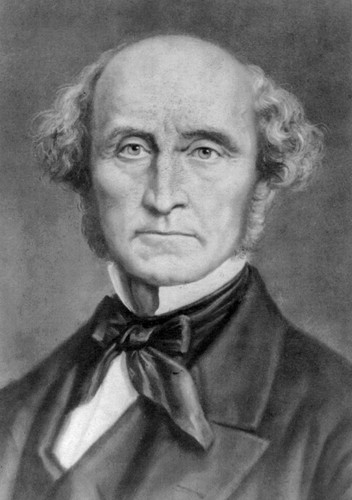
Early Life and Education: John Stuart Mill was born on May 20, 1806, in London, England, into a family deeply immersed in intellectual endeavors. The son of the prominent utilitarian philosopher James Mill, John was subjected to rigorous education from a very young age. By the age of three, he was learning Greek, and by eight, he had begun studying Latin and logic. This early exposure laid the foundation for his future work as a philosopher, economist, and political theorist, fostering a lifelong commitment to the pursuit of knowledge.
Philosophical Contributions: Mill's philosophical journey is best illustrated through his seminal works, such as "A System of Logic" and "On Liberty." In these texts, he explored the principles of utilitarianism, advocating for the greatest happiness principle while emphasizing individual freedom and autonomy. His arguments for women's rights and social justice in "The Subjection of Women" showcased his progressive views, making him a pioneer in advocating for gender equality in the 19th century. Mill’s writings continue to resonate, influencing contemporary debates on ethics, governance, and personal freedoms.
Political Involvement: Beyond his academic contributions, John Stuart Mill was actively engaged in politics. He served as a Member of Parliament for the City of Westminster from 1865 to 1868, where he championed various progressive causes, including suffrage and social reforms. Mill’s political advocacy was grounded in his belief that a well-informed citizenry is essential for a functioning democracy. His efforts to promote civil liberties and social welfare reflect his commitment to creating a more just society.
Legacy and Influence: John Stuart Mill passed away on May 8, 1873, but his intellectual legacy endures. His ideas have profoundly shaped modern thought, impacting fields ranging from ethics to political theory and economics. Scholars, policymakers, and activists continue to draw upon Mill's insights, ensuring that his vision of liberty, equality, and rational discourse remains relevant in contemporary discourse. His life’s work serves as a testament to the power of ideas in effecting social change and fostering a more enlightened society.