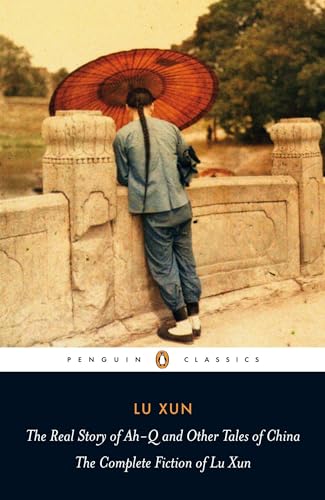
Early Life and Education: Lu Xun, born Zhou Shuren on September 25, 1881, in Shaoxing, China, is celebrated as one of the most influential figures in modern Chinese literature. Raised in a traditional family, Lu Xun experienced the cultural upheavals of early 20th-century China, which significantly shaped his worldview. He initially pursued medical studies in Japan but soon shifted his focus to literature, recognizing its potential to provoke social change.
Literary Contributions: Lu Xun's literary career began in earnest with the publication of his seminal short story "A Madman's Diary" in 1918, which marked a critical departure from classical Chinese literature. His works often critique societal norms and the struggles of the individual against oppressive systems. Through a blend of realism and allegory, Lu Xun's storytelling delves into themes of mental health, nationalism, and the complexities of human nature, making him a pivotal figure in the May Fourth Movement—a cultural and intellectual revolution advocating for modernization in China.
Cultural Impact and Legacy: Beyond fiction, Lu Xun was deeply engaged in social commentary, contributing essays and critiques that challenged prevailing ideologies. His sharp wit and incisive observations earned him a reputation as a literary pioneer. Lu Xun's influence extends beyond literature; he became a symbol of intellectual resistance against authoritarianism, inspiring generations of writers, activists, and thinkers. His works are studied not only for their artistic merit but also for their historical significance in understanding China’s turbulent transition into the modern era.
Enduring Relevance: Today, Lu Xun's legacy endures, with his writings being translated into multiple languages and studied worldwide. His ability to articulate the struggles of the human spirit against societal constraints continues to resonate with readers across cultures. As a key figure in modern literature, Lu Xun remains a source of inspiration, urging new generations to reflect on the complexities of their own societies and the transformative power of literature.