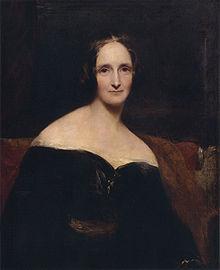
Early Life and Influences: Mary Shelley, born on August 30, 1797, in London, was the daughter of renowned thinkers Mary Wollstonecraft and William Godwin. Growing up in an intellectually stimulating environment, she was exposed to the ideas of the Enlightenment and Romanticism from an early age. Her mother, an early advocate for women's rights, passed away shortly after Mary’s birth, leaving a profound impact on her life and work. The absence of her mother and the influence of her father's radical ideas shaped Mary into a writer who would challenge societal norms and expectations.
The Birth of a Literary Icon: In 1816, during a summer spent in Geneva with her future husband Percy Bysshe Shelley and Lord Byron, Mary conceived the idea for her groundbreaking novel, "Frankenstein." This tale of creation and existential dread not only captivated readers but also solidified her position in literary history. Published in 1818, "Frankenstein" explored themes of ambition, responsibility, and the dark side of human nature, reflecting the anxieties of the Industrial Revolution and the quest for knowledge. It remains one of the most studied and adapted works in literature, establishing Mary Shelley as a pioneering figure in science fiction.
A Life of Challenges and Triumphs: Mary Shelley faced numerous personal challenges throughout her life, including the tragic loss of her children and the early death of her husband. Despite these hardships, she remained a prolific writer, producing novels, essays, and travelogues. Works such as "The Last Man" and "Mathilda" further showcased her innovative storytelling and exploration of complex themes, including loneliness and societal alienation. Her writing not only contributed to the literary canon but also provided crucial insights into the female experience during her time.
Legacy and Recognition: Mary Shelley’s legacy endures well beyond her lifetime; she is now celebrated as a foundational figure in both feminist literature and the Gothic genre. Her innovative narratives and exploration of moral complexities continue to resonate with contemporary audiences. As the author who dared to question the relationship between creator and creation, Mary Shelley’s work remains a vital part of discussions surrounding ethics in science and the human condition. Her influence can be seen in countless adaptations and works inspired by her vision, affirming her status as a timeless literary icon.