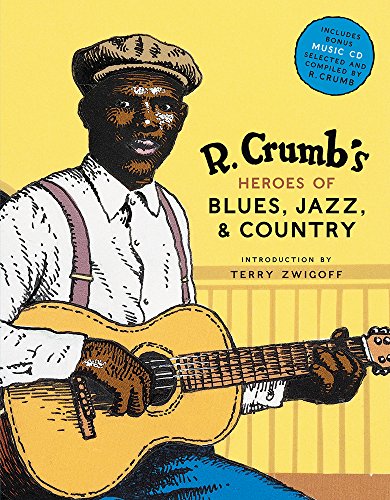
Early Life and Influences: R. Crumb, born Robert Crumb on August 30, 1943, in Philadelphia, Pennsylvania, is a seminal figure in the world of underground comics and graphic novels. Growing up in a creative household, Crumb was influenced by a variety of artistic movements and the popular culture of the 1960s. His early exposure to comic strips and animation, coupled with a passion for music, would shape his distinctive narrative style and artistic vision.
Pioneering Underground Comics: Crumb’s career took off in the 1960s when he became a prominent voice in the underground comic movement, which sought to challenge mainstream cultural norms. His work, often characterized by its raw, uncensored humor and social commentary, includes iconic pieces such as "Fritz the Cat" and "Mr. Natural." Through these characters, Crumb explored themes of sexuality, consumerism, and the counterculture, establishing himself as a provocative and influential artist.
Legacy and Recognition: Over the decades, R. Crumb has garnered critical acclaim for his unique style and ability to capture the zeitgeist of his times. His contributions to the comic genre have earned him numerous awards, including the prestigious Inkpot Award. Crumb's work has transcended the realm of comics, influencing a wide array of artists and writers. He has also collaborated with various musicians, further showcasing his diverse creative talents.
Continued Relevance: Today, R. Crumb remains an active figure in the art world, constantly evolving and challenging himself creatively. His works continue to be celebrated for their innovative approach to storytelling and visual art. As a cultural icon, Crumb’s impact on both the comic industry and the broader artistic landscape endures, making him a vital part of the ongoing dialogue surrounding art, culture, and social critique.