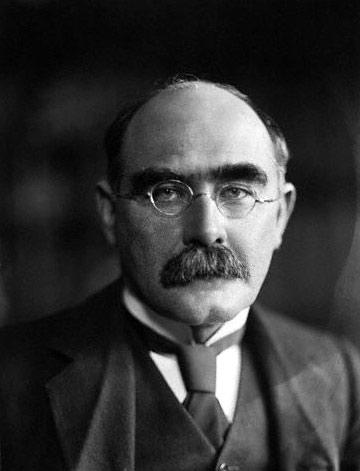
Early Life and Influences: Rudyard Kipling, born on December 30, 1865, in Bombay, India, was a British author whose works continue to resonate with readers around the globe. Raised in a colonial backdrop, Kipling's early experiences in India profoundly influenced his writing, imbuing it with rich cultural insights and vivid imagery. He was educated in England, where his appreciation for storytelling flourished, leading him to explore various literary forms.
Literary Career and Achievements: Kipling's literary career took off with the publication of his first collection of short stories, "Plain Tales from the Hills," in 1888. This work showcased his keen observational skills and mastery of language, capturing the complexities of British colonial life. His most famous works, such as "The Jungle Book" and "Kim," blend adventure with moral lessons, reflecting the duality of his upbringing in India and England. In 1907, Kipling became the first English-language writer to be awarded the Nobel Prize in Literature, solidifying his status as one of the most significant literary figures of his time.
Themes and Style: Kipling's writing is characterized by its vivid storytelling, rich character development, and exploration of themes such as imperialism, bravery, and the struggle between civilization and the wilderness. His unique ability to weave folklore and myth into his narratives has left a lasting impact on children's literature, as seen in his iconic tales that continue to enchant young readers. Kipling's style, often marked by a rhythmic quality and a keen ear for dialogue, has inspired countless authors across generations.
Legacy and Influence: Rudyard Kipling's legacy extends beyond his literary accomplishments; he remains a pivotal figure in discussions about colonialism and cultural identity. His works have been adapted into numerous films, plays, and other media, ensuring that his stories remain relevant in contemporary culture. As a storyteller, Kipling's ability to capture the human experience in all its complexity continues to resonate, making him an enduring voice in world literature.