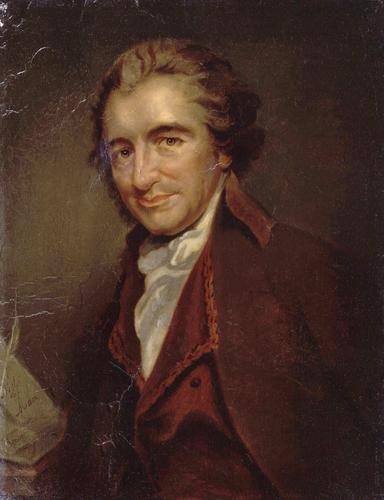
Early Life and Background: Thomas Paine was born on January 29, 1737, in Thetford, England. Growing up in a modest family, Paine's early life was marked by a series of challenges, including his father's occupation as a Quaker and the limited opportunities available to a young man of his background. Despite these constraints, Paine's insatiable curiosity and passion for learning set the stage for his future as a revolutionary thinker and writer.
Path to Political Activism: Paine immigrated to America in 1774, a decision that would profoundly shape his life and the course of history. His arrival coincided with a period of escalating tension between the American colonies and British rule. Paine quickly became enmeshed in the revolutionary fervor of the time, using his skills as a pamphleteer to advocate for independence. His seminal work, "Common Sense," published in 1776, galvanized public opinion and articulated the case for American independence, making it one of the most influential texts in American history.
Philosophical Contributions: Beyond his role in the American Revolution, Paine's writings extended into various philosophical realms. His works, including "The Rights of Man" and "The Age of Reason," championed individual rights, reason, and secularism. These texts not only challenged the status quo of governance and religion but also inspired future generations of thinkers and activists. Paine's advocacy for democratic principles and human rights remains a testament to his enduring legacy as a champion of freedom and equality.
Legacy and Impact: Thomas Paine passed away on June 8, 1809, but his influence endures. His revolutionary ideas laid the groundwork for modern democracy and continue to resonate in contemporary discussions about rights and governance. As a pioneering voice for liberty and rational thought, Paine's contributions have solidified his place in the pantheon of great political philosophers and writers. His commitment to justice and equality continues to inspire activists and thinkers across the globe, affirming his legacy as a key architect of democratic ideals.