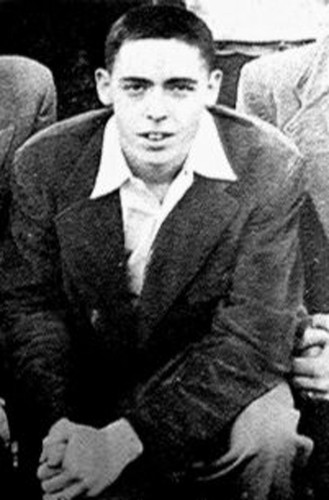
Early Life and Education: Thomas Pynchon was born on May 8, 1937, in Glen Cove, New York. He grew up in a suburban environment that greatly influenced his perception of American culture and technology. After completing high school, Pynchon attended Cornell University, where he studied engineering physics. His academic background laid the foundation for his later works, which often explore the intricate relationship between science, technology, and society.
Literary Career: Pynchon's literary journey began in earnest with the publication of his debut novel, "V." in 1963, which garnered critical acclaim for its innovative narrative style. Over the years, he has become recognized as a master of postmodern literature, with works such as "Gravity's Rainbow" and "The Crying of Lot 49" showcasing his unique ability to blend complex themes with dark humor and intricate plotting. Pynchon’s novels often tackle themes of paranoia, conspiracy, and the impact of technology on human existence, reflecting his deep engagement with contemporary issues.
Style and Themes: Pynchon's writing is characterized by its dense prose, rich symbolism, and a wide array of characters that inhabit his sprawling narratives. His style defies conventional storytelling, often employing nonlinear timelines and a mosaic of genres. This complexity not only challenges readers but also invites them to ponder the underlying societal critiques embedded in his work. Themes of alienation, capitalism, and the search for meaning resonate throughout his novels, prompting readers to engage with the text on multiple levels.
Cultural Impact: Throughout his career, Thomas Pynchon has maintained a reclusive public persona, rarely appearing in interviews or public events. Despite this, his influence on contemporary literature is undeniable. Pynchon’s work has inspired countless writers and has established him as a pivotal figure in the postmodern literary movement. His exploration of the human condition in the context of modernity continues to captivate readers and provoke thought, ensuring his place in the pantheon of great American authors.