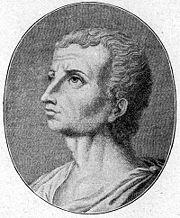
Early Life and Background: Titus Livy, born in 59 BCE in Patavium (modern-day Padua, Italy), emerged as one of the most significant historians of ancient Rome. Little is known about his early life, but it is widely believed that he was educated in rhetoric and philosophy, which laid the foundation for his later literary contributions. Livy's upbringing in a provincial town provided him with a unique perspective on Roman culture and governance, which would profoundly influence his historical narratives.
Historical Contributions: Livy's magnum opus, Ab Urbe Condita Libri (From the Founding of the City), spans 142 books, chronicling the history of Rome from its mythical origins to the early days of the Roman Empire. Though only a fraction of this work survives, the existing texts provide invaluable insights into the political and social fabric of Rome. Livy's narrative style, characterized by vivid storytelling and moral reflection, aimed to not only document events but to instill a sense of virtue and civic duty among his readers.
Philosophical Underpinnings: Beyond mere historical recounting, Livy's writings delve into the philosophical dimensions of history. He emphasized the role of fortune and human agency in shaping events, suggesting that the fate of Rome was a product of both divine providence and the actions of its people. This duality reflects Livy's belief in the importance of moral character and the lessons that can be derived from the past, making his work a blend of history and moral philosophy.
Legacy and Influence: Titus Livy’s impact on the study of history is profound and enduring. His works influenced later historians, including Tacitus and Plutarch, and his narratives continue to educate modern audiences about the complexities of Roman history. Livy’s ability to weave moral lessons into his historical accounts has cemented his status as a key figure in classical literature, ensuring that his insights remain relevant through the ages. Through his meticulous chronicling of Rome’s journey, Livy not only preserved the past but also inspired future generations to reflect on the nature of history and its moral implications.