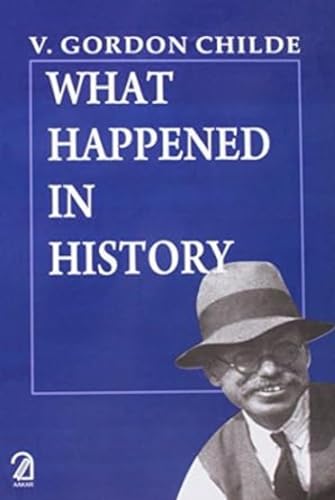
Early Life and Education: V. Gordon Childe was born in 1892 in Melbourne, Australia, into a family that fostered a deep appreciation for learning and the arts. His academic journey began at the University of Melbourne, where he studied philosophy and archaeology, laying the foundation for his future contributions to the fields of prehistory and archaeology. Childe's early exposure to European cultures and intellectual circles would profoundly influence his later works, enriching his perspective on human development.
Career and Contributions: Childe’s career spanned several decades during which he emerged as a leading figure in archaeology and social theory. He is best known for his innovative concepts of the "Neolithic Revolution" and the "Urban Revolution," which highlighted the transformative processes that led to the rise of agriculture and urban centers in human history. His groundbreaking publications, including Man Makes Himself and What Happened in History, challenged traditional narratives and encouraged a more holistic view of societal evolution, integrating archaeological data with sociological insights.
Legacy and Influence: Throughout his life, V. Gordon Childe championed the importance of interdisciplinary approaches in understanding human history. His advocacy for the integration of archaeology with anthropology and sociology has left a lasting legacy, influencing generations of scholars in the social sciences. Childe's commitment to public engagement with archaeology also helped to popularize the field, making it more accessible to a broader audience. His work continues to inspire new research and discussions surrounding the complexities of human civilization.
Personal Philosophy and Later Years: Childe's intellectual pursuits were deeply intertwined with his personal beliefs. A committed socialist, he viewed archaeology as a means to understand and critique social structures and inequalities. In his later years, Childe settled in Britain, where he continued to write and lecture until his passing in 1957. His enduring influence is evident in contemporary discussions about the interplay between culture, environment, and human agency in shaping history.