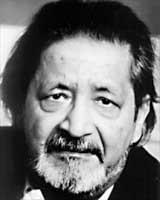
Early Life and Education: V. S. Naipaul, born on August 17, 1932, in Chaguanas, Trinidad, emerged from a modest background that would profoundly influence his literary voice. The son of an Indian immigrant, Naipaul's early experiences in a post-colonial society shaped his perception of identity, culture, and displacement. He pursued his education at Queen's Royal College in Port of Spain before receiving a scholarship to study at University College London, where he honed his craft as a writer.
Literary Career: Naipaul's literary journey began in the 1950s, with his debut novel, The Mystic Masseur (1957), showcasing his unique blend of humor and social commentary. Over the decades, he published a remarkable array of novels, essays, and travelogues, including the critically acclaimed A House for Mr. Biswas (1961) and In a Free State (1971). His works often explore themes of migration, colonialism, and the complexity of cultural identity, reflecting his own experiences as a diasporic writer.
Recognition and Impact: Throughout his illustrious career, V. S. Naipaul received numerous accolades for his contributions to literature, including the Nobel Prize in Literature in 2001. His distinctive prose style and keen observations earned him a prominent place in contemporary literature, influencing generations of writers. Naipaul's ability to weave personal narrative with broader socio-political commentary has left an indelible mark on the literary landscape, inspiring discussions about identity and belonging.
Legacy and Final Years: Naipaul's legacy extends beyond his literary achievements; he is often regarded as a voice for those who grapple with the complexities of post-colonial existence. Despite his passing on August 11, 2018, his works continue to resonate, challenging readers to confront the intricacies of cultural intersections. V. S. Naipaul remains a pivotal figure in literature, celebrated for his incisive explorations of the human condition amidst the forces of history and change.