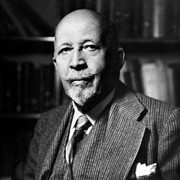
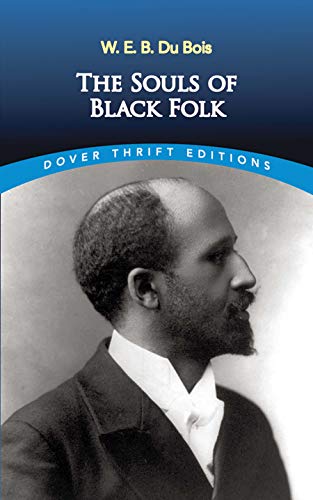
Early Life and Education: W. E. B. Du Bois, born on February 23, 1868, in Great Barrington, Massachusetts, emerged as a pivotal figure in American history and literature. Raised in a relatively tolerant community, he excelled academically, ultimately becoming the first African American to earn a Ph.D. from Harvard University in 1895. His education, which also included studies at Fisk University and the University of Berlin, deeply influenced his perspectives on race, society, and civil rights.
Intellectual Contributions: Du Bois was not only a scholar but also a prolific writer whose work spanned various genres, including sociology, history, and fiction. His groundbreaking book, "The Souls of Black Folk," published in 1903, offered profound insights into the African American experience and introduced concepts such as "double consciousness" and the "talented tenth." Through his eloquent prose and rigorous scholarship, Du Bois challenged prevailing notions of racial inferiority and advocated for the advancement of African Americans.
Activism and Leadership: Beyond his literary accomplishments, W. E. B. Du Bois was a formidable civil rights activist and co-founder of the NAACP in 1909. He utilized his platform to advocate for social justice, equality, and the end of racial segregation. His involvement in the Pan-African movement highlighted his commitment to global black solidarity, emphasizing that the struggle for civil rights transcended national boundaries. Du Bois's leadership and activism inspired generations of civil rights advocates and continue to resonate today.
Legacy and Impact: W. E. B. Du Bois passed away on August 27, 1963, but his legacy endures as a cornerstone of American literature and social thought. His writings and activism laid the groundwork for future civil rights movements, influencing leaders like Martin Luther King Jr. and Malcolm X. As a scholar, writer, and activist, Du Bois's commitment to justice and equality has left an indelible mark on both the intellectual and cultural landscape of the United States.