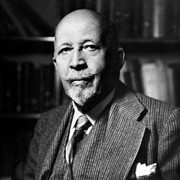
Early Life and Education: W.E.B. Du Bois, born on February 23, 1868, in Great Barrington, Massachusetts, emerged from a predominantly white community that shaped his early perceptions of race and identity. The son of Alfred and Mary Silvina Du Bois, he displayed exceptional academic talent from a young age. Earning a scholarship to Fisk University in Tennessee, Du Bois gained firsthand experience of the racial injustices faced by African Americans in the post-Civil War South. His thirst for knowledge led him to pursue graduate studies at Harvard University, where he became the first African American to earn a Ph.D. in 1895.
Academic Contributions and Activism: As a scholar and activist, Du Bois was a pioneering figure in the fight for civil rights. His seminal work, "The Souls of Black Folk," published in 1903, introduced the concept of "double consciousness," illuminating the internal conflict faced by African Americans in a racially divided society. Du Bois's scholarly pursuits extended beyond literature; he founded the Niagara Movement in 1905, advocating for immediate civil rights, and later played a crucial role in establishing the NAACP in 1909. His efforts laid the groundwork for the civil rights movement and influenced generations of activists.
Global Perspectives and Legacy: Du Bois was not only a national figure but also an internationalist who recognized the interconnectedness of racial struggles worldwide. His travels to Europe and Africa enriched his worldview, leading him to advocate for Pan-Africanism and decolonization. His work during the early 20th century established him as a prominent voice against imperialism and colonialism. Throughout his life, Du Bois received numerous accolades for his contributions to sociology, history, and literature, solidifying his legacy as a multifaceted intellectual and a champion of social justice.
Enduring Influence: W.E.B. Du Bois passed away on August 27, 1963, but his impact resonates today. His writings and ideas continue to inspire scholars, activists, and students, emphasizing the importance of education, equality, and the relentless pursuit of justice. As a foundational figure in African American literature and civil rights, Du Bois's legacy remains pivotal in the ongoing discourse surrounding race, identity, and social change.