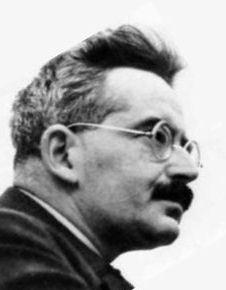
Early Life and Education: Walter Benjamin was born on July 15, 1892, in Berlin, Germany, into a Jewish family that valued intellectual pursuits. His upbringing in a culturally rich environment fostered his early interest in literature and philosophy. Benjamin pursued his studies at the University of Freiburg, where he initially focused on philosophy, art history, and literary criticism. His academic journey laid the groundwork for his later works, which would explore the intersections of culture, aesthetics, and society.
Philosophical Influences and Literary Contributions: Benjamin's intellectual development was significantly influenced by prominent thinkers such as Karl Marx, Friedrich Nietzsche, and Sigmund Freud. His writings reflect a unique synthesis of these diverse philosophies, which he applied to analyze modernity and the impact of technology on art and culture. His seminal essays, including "The Work of Art in the Age of Mechanical Reproduction," challenged traditional notions of art's authenticity and originality, establishing Benjamin as a critical voice in 20th-century thought. His ability to weave complex ideas into accessible prose resonated with both scholars and the general public.
Exile and Legacy: With the rise of the Nazi regime in Germany, Walter Benjamin faced increasing persecution due to his Jewish heritage and leftist ideologies. In 1933, he fled to France, where he continued to write and engage with other exiled intellectuals. Benjamin's life was tragically cut short when he died in 1940 while attempting to escape to the United States. Despite his early death, his influence has only grown over the decades, impacting fields such as literary theory, cultural studies, and media analysis. Scholars continue to examine his work, revealing new interpretations and applications in contemporary discourse.
Enduring Impact: Walter Benjamin's legacy is marked by his innovative perspectives on culture, art, and society. His writings encourage critical engagement with the modern world, prompting readers to consider the implications of technological advancement and the commodification of art. Through his thought-provoking essays and insights, Benjamin remains a vital figure in understanding the complexities of culture and its role in shaping human experience.