Early Life and Education: William Edward Burghardt Du Bois, born on February 23, 1868, in Great Barrington, Massachusetts, emerged as one of the most influential African American intellectuals of the 20th century. Raised in a relatively tolerant and integrated community, Du Bois's early experiences shaped his perspectives on race, identity, and social justice. His academic journey began at Fisk University, where he was immersed in the rich cultural heritage of African American life, later earning a Ph.D. from Harvard—becoming the first African American to do so.
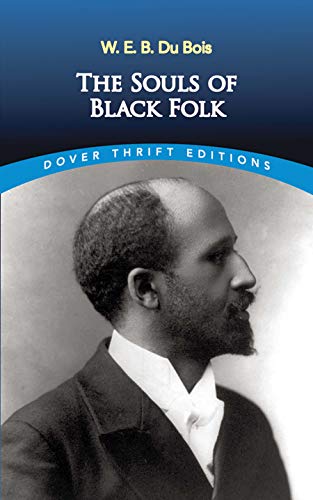
A Voice for Social Justice: Du Bois's contributions extended beyond academia into the realms of social activism and civil rights. As a co-founder of the NAACP in 1909, he utilized his platform to advocate for the rights of African Americans during a time of rampant discrimination and segregation. His seminal work, "The Souls of Black Folk," published in 1903, challenged prevailing narratives about African Americans and provided profound insights into the complexities of race relations in America. Through his writings, Du Bois emphasized the need for political activism and education as tools for achieving equality.
Intellectual Legacy: An eminent sociologist and historian, Du Bois's research laid the groundwork for modern studies of race and ethnicity. His concept of "double consciousness," articulated in "The Souls of Black Folk," explores the internal conflict faced by African Americans as they navigate their identities in a racially divided society. His scholarly works, including "Black Reconstruction in America," not only challenged historical inaccuracies but also offered a reexamination of the African American experience in the context of American history.
Later Years and Continued Impact: In his later years, Du Bois continued to evolve, engaging with global movements for social justice and Pan-Africanism. His travels and interactions with leaders around the world further enriched his understanding of race and class struggles. Du Bois's legacy endures, inspiring generations of activists, scholars, and writers to confront issues of race and inequality. His life’s work remains a testament to the enduring pursuit of justice and the power of the written word in effecting social change.